GBP
GBP  Default (Japanese YEN)
 Euros
Euros
 Australia Dollars
 US Dollars
 Canada Dollars
 Singapore Dollar
 Malaysian Ringgit
 Hong Kong Dollar

Why Is Ocarina of Time So Loved? A Zelda Classic Explained
Aug 7, 2026
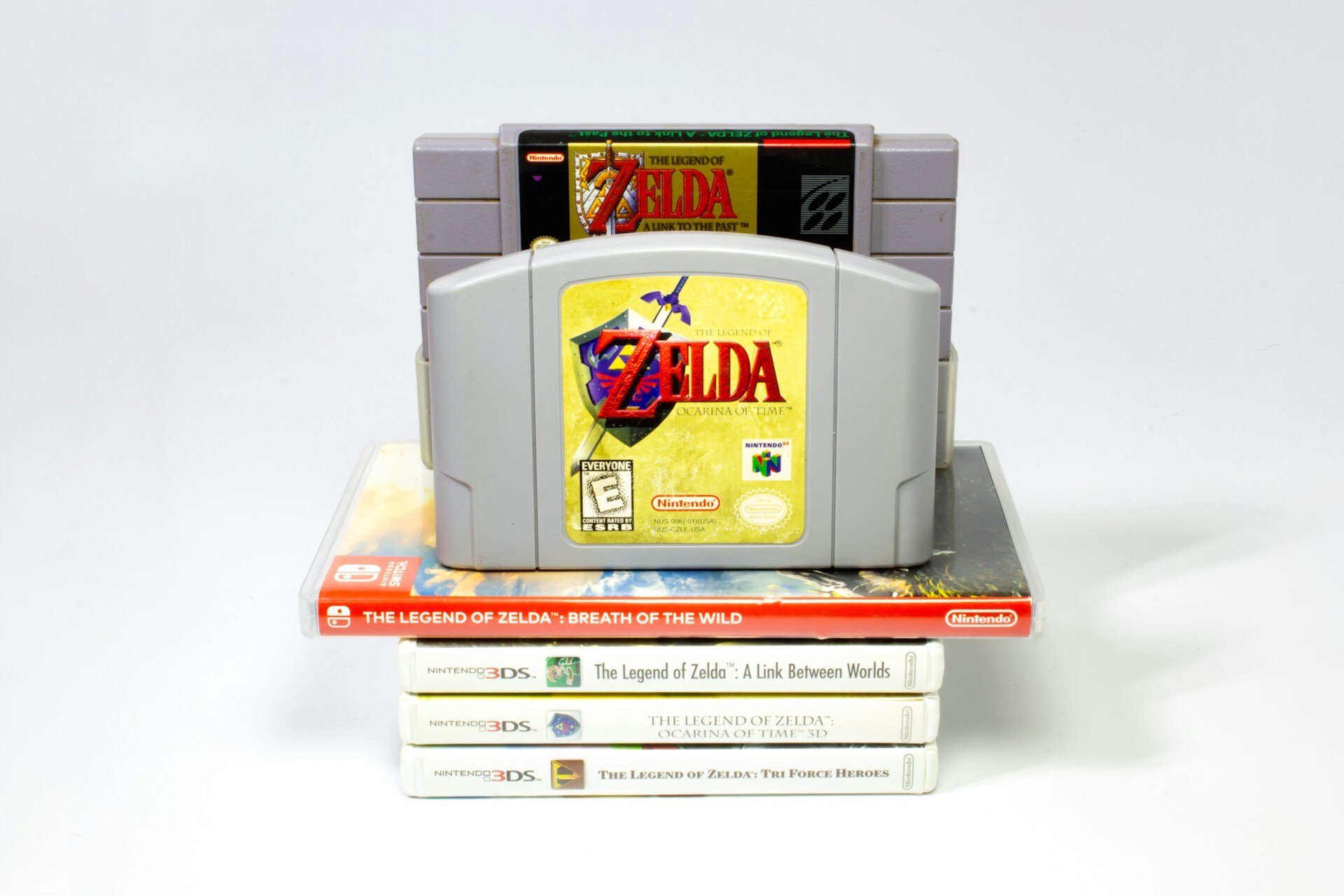
More than a quarter-century after its original Nintendo 64 release, The Legend of Zelda: Ocarina of Time still occupies a special place in gaming history. The question “Why is Ocarina of Time so loved?” has more than one answer. It introduced players to a memorable 3D Hyrule, made music part of the adventure, and told a surprisingly emotional story about growing up. It also helped solve several problems that early 3D games were still figuring out.
Nintendo first released the game in November 1998, making it the first 3D entry in The Legend of Zelda series. Its lasting influence has also helped Link, Zelda, Ganondorf, and other familiar faces remain major parts of gaming culture and The Legend of Zelda merch.
Key Takeaways
- Ocarina of Time made movement and combat in a 3D world feel clear and manageable.
- Hyrule felt like a connected place filled with secrets, memorable characters, and distinct regions.
- The ocarina turned music into an important tool for puzzles, travel, and storytelling.
- Link’s journey from childhood to adulthood gave the adventure lasting emotional weight.
It Made a 3D Adventure Feel Natural
Moving a familiar series from two dimensions into a fully 3D world was a huge challenge. Nintendo had to rethink how players explored, spoke to characters, used items, and fought enemies.
One of the most important solutions was Z-targeting. Pressing the Z Button allowed Link to lock onto an enemy or character while the camera moved behind him. Players could circle opponents, block attacks, and strike without constantly wrestling with the camera.
It may feel ordinary now, but that is part of the game’s achievement. Its controls helped make complicated 3D spaces feel understandable and influenced how many later Japanese video games approached exploration and combat.
Hyrule Felt Like a Real Journey
Hyrule Field connected forests, mountains, villages, rivers, and deserts into one grand adventure. Each location had its own atmosphere and residents. Kokiri Forest felt safe and playful. Kakariko Village was lively but mysterious. Gerudo Valley felt distant and dangerous.
The people and creatures living in these places mattered too. Link met Princess Zelda, Navi, Impa, Darunia, Ruto, Epona, Sheik, and plenty of odd shopkeepers and side characters. Even brief encounters could turn into useful clues, running jokes, or rewarding side quests.
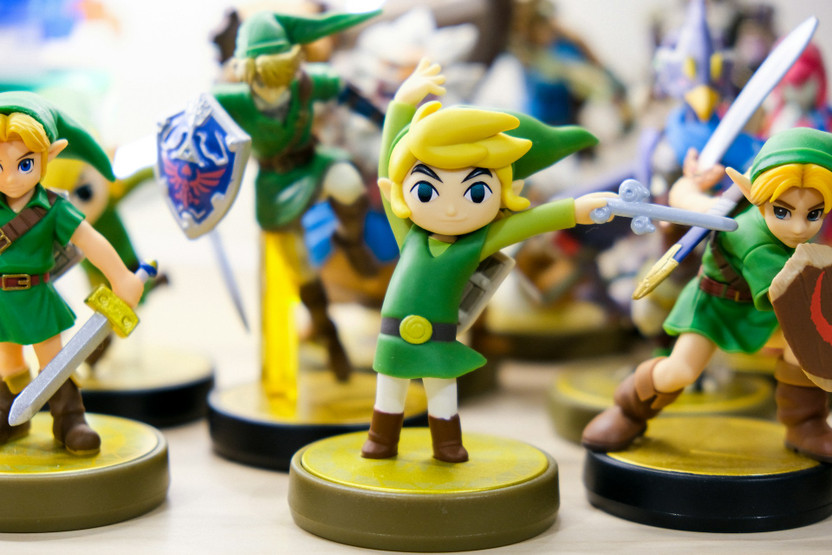
Those memorable designs also help explain why Zelda characters remain popular subjects for video game figures and other display collectibles. A character such as Young Link can be recognized immediately by the green tunic, pointed cap, sword, shield, and ocarina.
The world was not enormous by modern standards, but it was carefully packed with reasons to return. A suspicious wall, unreachable ledge, or unusual song could hide a Heart Piece, Gold Skulltula, fairy fountain, or other secret.
Music Was More Than Background Sound
Plenty of games have memorable soundtracks. Ocarina of Time went further by making melodies part of the player’s toolkit. Songs could change the time of day, summon Epona, open passages, reveal secrets, or transport Link across Hyrule.
This made learning a melody feel like discovering a new ability. Simple combinations of notes became tied to characters and places, including Zelda’s Lullaby, Saria’s Song, and the Song of Storms.
The soundtrack also reacted to the adventure. Hyrule Field’s music changed as players explored, while nearby enemies could shift the sound toward battle. The result was a world that sounded alive instead of a collection of looping tracks.
Its Dungeons Had Strong Identities
Each major dungeon introduced a new mood, puzzle style, and visual language. Inside the Forest Temple, twisted hallways and ghostly sisters created a haunted mansion atmosphere. The Fire Temple mixed heat hazards with heroic Goron rescues. The Spirit Temple asked players to approach its puzzles during two different stages of Link’s life.
The dungeons also encouraged players to understand their tools rather than simply collect them. The Hookshot changed how Link moved through rooms. The Lens of Truth revealed hidden dangers. The Megaton Hammer smashed barriers that once seemed permanent.
Some puzzles could be demanding, but solving them created the satisfying feeling that the player—not just Link—had become better prepared for the adventure.
Link’s Story Is About Growing Up
The shift between Young Link and Adult Link is more than a gameplay trick. It changes the emotional tone of the entire quest. Link begins as a child leaving the forest for the first time. When he awakens seven years later, Ganondorf has transformed the familiar kingdom into a darker place.
Locations that once felt cheerful now carry loss, danger, or uncertainty. Friends have changed. Some have disappeared. Others have accepted new responsibilities. Link can travel back in time, but he cannot make every consequence vanish.
That contrast gives the story unusual emotional power. Players still get heroic battles, magical treasures, and a spectacular confrontation with Ganondorf. However, they also experience a quieter story about leaving childhood behind.
A Classic That Still Invites Discussion
Ocarina of Time is loved because its best ideas support one another. The controls make exploration comfortable. Exploration leads to discoveries. Music connects players to the world. The passage of time gives familiar places new meaning.
Its popularity is also part of the wider evolution of video game collectibles. Players who grew up exploring Hyrule can now celebrate those memories through figures, puzzles, accessories, and other pieces inspired by their favorite adventures.
The game’s technology may belong to another era, but the adventure still understands curiosity, courage, and the thrill of finding something hidden just beyond the next hill.
Ready to celebrate more gaming history beyond the screen? Browse Plaza Japan’s Nintendo products, or continue exploring a wider collection of video game merch inspired by classic and modern adventures.
Author Bio